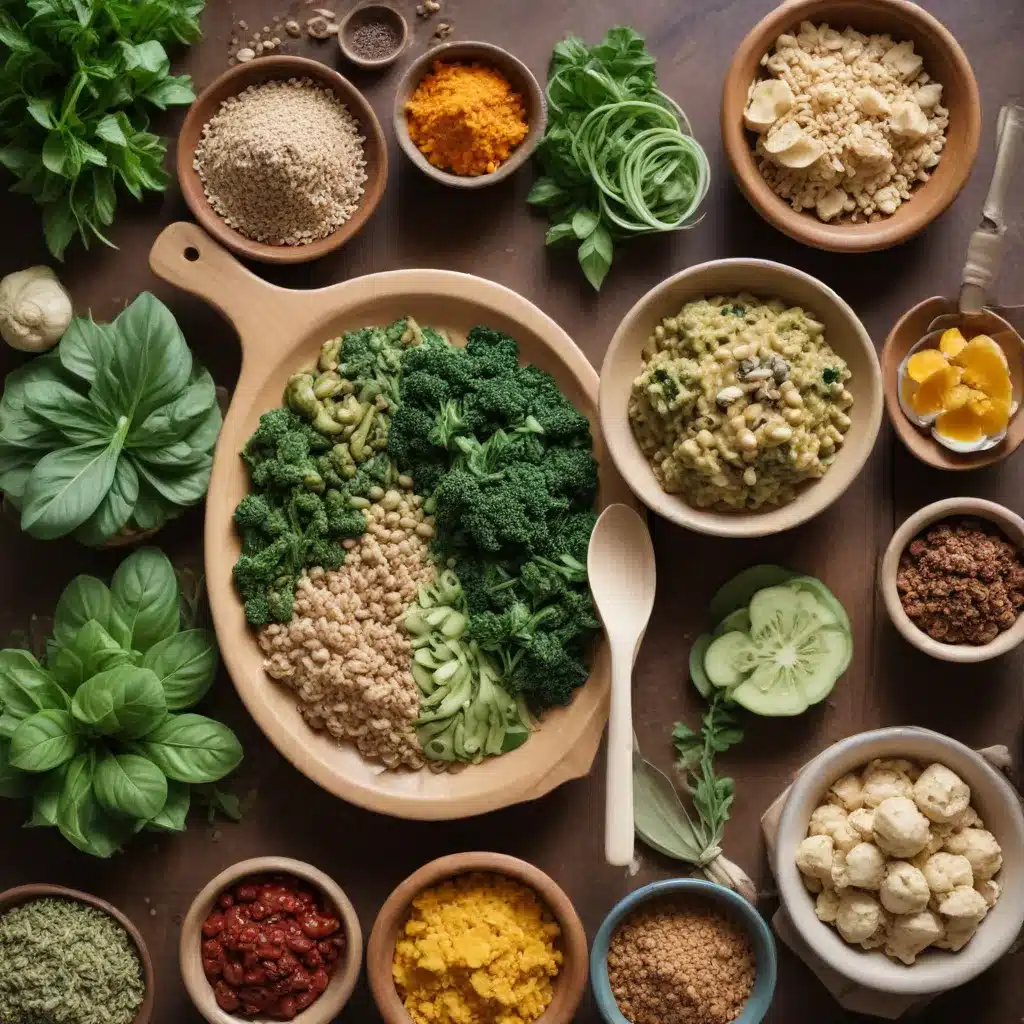
Innovative Plant-Based Cooking Techniques
Plant-based cooking has grown tremendously in popularity, yet many people still associate it with limited flavors and repetitive meals. In reality, plant-based cuisine offers endless opportunities for creativity, combining textures, colors, and layers of flavor in ways that rival any traditional dish. The foundation of successful plant-based cooking begins with understanding how to maximize the natural flavors of vegetables, legumes, grains, and nuts. Techniques like roasting, caramelizing, fermenting, and marinating transform simple ingredients into deeply satisfying dishes. For instance, roasting root vegetables with a touch of balsamic vinegar and fresh herbs enhances their natural sweetness, while fermenting cabbage into kimchi adds both tang and umami. Incorporating grains such as quinoa, farro, or barley introduces chewiness and nutritional richness, and legumes like lentils and chickpeas provide a hearty base for soups, stews, and salads. Beyond basic cooking methods, plant-based cuisine also encourages creative flavor pairings — for example, combining roasted sweet potato with tahini and pomegranate seeds, or blending cashew cream with roasted mushrooms to create a vegan béchamel. This guide explores step-by-step recipes for these techniques, offering tips on seasoning, texture balancing, and presentation. Additionally, it highlights how plant-based meals can be visually stunning, with vibrant colors and contrasting textures making each dish a feast for the eyes as well as the palate. By following these practices, home cooks can elevate their plant-based meals, offering diners a memorable and satisfying experience while maintaining nutritional balance and environmental awareness.