Innovative Plant-Based Cooking Techniques
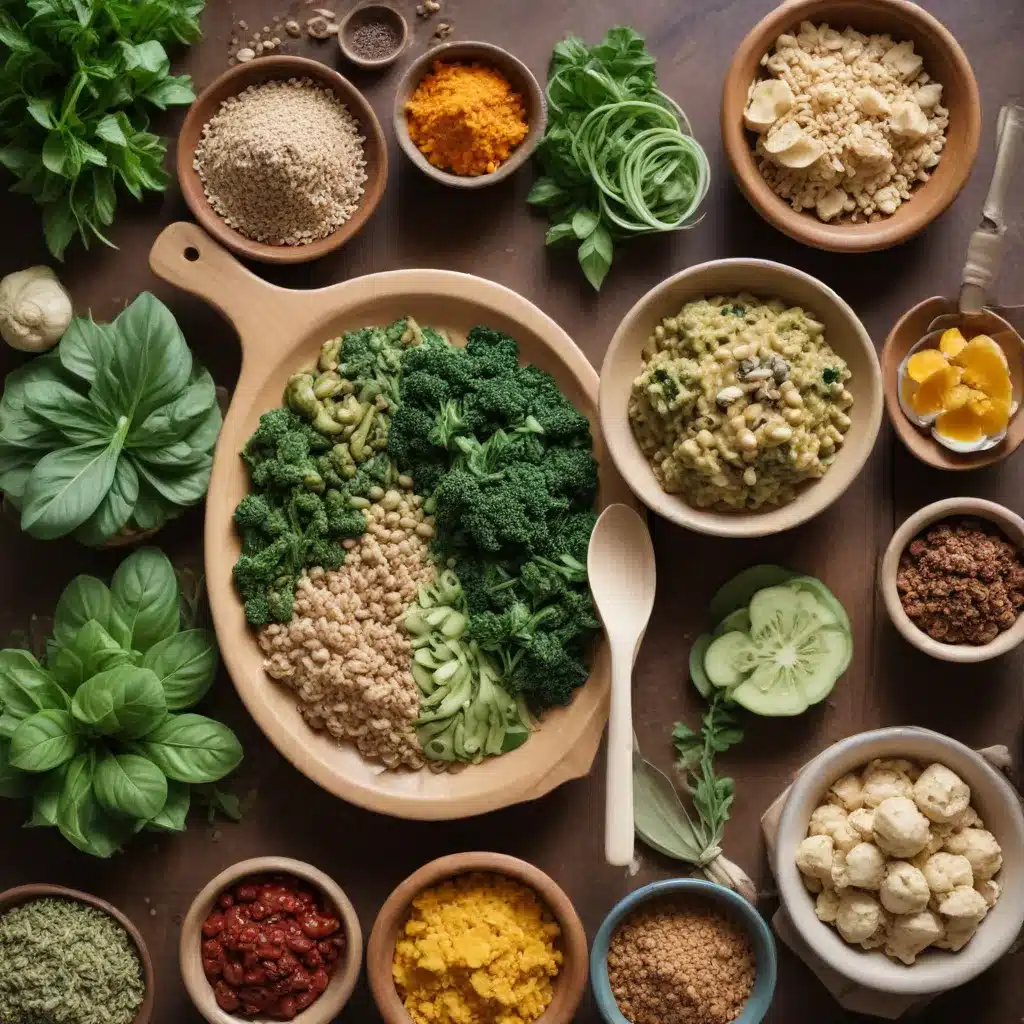
Plant-based cooking has grown tremendously in popularity, yet many people still associate it with limited flavors and repetitive meals. In reality, plant-based cuisine offers endless opportunities for creativity, combining textures, colors, and layers of flavor in ways that rival any traditional dish. The foundation of successful plant-based cooking begins with understanding how to maximize the natural flavors of vegetables, legumes, grains, and nuts. Techniques like roasting, caramelizing, fermenting, and marinating transform simple ingredients into deeply satisfying dishes. For instance, roasting root vegetables with a touch of balsamic vinegar and fresh herbs enhances their natural sweetness, while fermenting cabbage into kimchi adds both tang and umami. Incorporating grains such as quinoa, farro, or barley introduces chewiness and nutritional richness, and legumes like lentils and chickpeas provide a hearty base for soups, stews, and salads. Beyond basic cooking methods, plant-based cuisine also encourages creative flavor pairings — for example, combining roasted sweet potato with tahini and pomegranate seeds, or blending cashew cream with roasted mushrooms to create a vegan béchamel. This guide explores step-by-step recipes for these techniques, offering tips on seasoning, texture balancing, and presentation. Additionally, it highlights how plant-based meals can be visually stunning, with vibrant colors and contrasting textures making each dish a feast for the eyes as well as the palate. By following these practices, home cooks can elevate their plant-based meals, offering diners a memorable and satisfying experience while maintaining nutritional balance and environmental awareness.
Mastering the Art of Artisan Cheese at Home
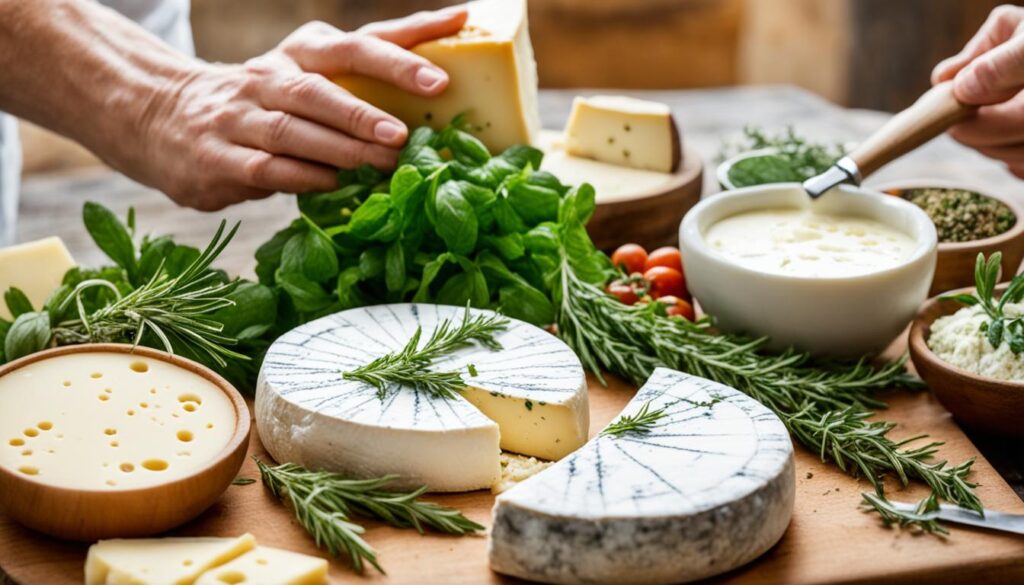
Cheese making is often seen as a craft reserved for professional artisans, but with guidance and attention to detail, it is increasingly accessible to home cooks. The process begins with selecting high-quality milk, preferably raw or pasteurized but unhomogenized, which preserves the natural proteins and enzymes crucial for cheese development. The milk is then gently heated, and starter cultures are introduced to encourage fermentation. Adding rennet at the correct temperature coagulates the milk, forming curds and whey. These curds are carefully cut, drained, and pressed according to the type of cheese being made, whether a soft cheese like Brie, a semi-hard like Gouda, or a firm cheese like Cheddar. Salting and aging are critical to flavor development, requiring careful monitoring of temperature and humidity. This guide also provides tips on creating flavored cheeses with herbs, spices, or infused oils, giving home cheese makers the chance to experiment creatively. The process emphasizes patience, as aging can range from a few days to several months, and each stage requires sensory awareness to ensure optimal taste and texture. By mastering these techniques, enthusiasts can produce artisan cheeses that rival commercial offerings, bringing a deeper appreciation of dairy science, craftsmanship, and the satisfaction of enjoying truly homemade cheese. The guide also includes advice on troubleshooting common issues like curd texture inconsistencies or mold development, ensuring that every batch is successful and delicious.

Exploring Global Street Food at Home
Street food offers a window into the culinary traditions of a culture, showcasing bold flavors, inventive techniques, and fresh ingredients. While street food is typically associated with bustling city markets, it can also be recreated at home, providing an opportunity to explore global flavors from the comfort of your kitchen. Key to success is understanding the essence of each dish: the balance of heat, acidity, sweetness, and texture. For example, preparing a classic Mexican elote involves grilling corn, slathering it with seasoned mayo, sprinkling cheese, chili powder, and a squeeze of lime. Similarly, Japanese takoyaki requires a batter enriched with dashi, filled with octopus pieces, and cooked in a specialized pan to achieve a crispy exterior and soft interior. By carefully selecting authentic ingredients or suitable substitutes, home cooks can approximate the flavors and textures of popular street foods worldwide. This guide includes detailed instructions for dishes such as Indian samosas, Thai satay skewers, Turkish gözleme, and Brazilian coxinha. Additionally, tips on seasoning, frying versus baking, and creative plating techniques ensure that each dish is not only flavorful but also visually appealing. Beyond individual recipes, the guide emphasizes the joy of sharing small, flavorful bites with friends or family, fostering social connections and cultural appreciation. By recreating street food at home, cooks can embark on a culinary adventure, exploring the richness and diversity of global cuisines in an approachable and engaging way, all while enhancing their skills and flavor knowledge.

Advanced Techniques in Molecular Gastronomy
Molecular gastronomy bridges science and art, transforming traditional ingredients into surprising textures, flavors, and presentations. The practice involves using scientific principles to manipulate food at the chemical and physical level, often resulting in dishes that appear whimsical yet retain recognizable tastes. Techniques include spherification, which encapsulates liquids in delicate gel spheres resembling caviar, and foams, which add lightness and airiness to sauces and desserts. Sous-vide cooking enables precise temperature control for proteins and vegetables, ensuring perfect doneness and flavor retention. Gelification and emulsification further expand possibilities, allowing cooks to play with solid, liquid, and semi-solid textures in a single plate. This guide introduces home cooks to these advanced methods, explaining the equipment required, safety precautions, and ingredient interactions. It emphasizes experimenting with flavor combinations, such as citrus gels paired with chocolate mousses or basil foams over tomato concasse, to enhance both taste and presentation. Additionally, tips are provided for plating dishes in visually striking ways, balancing colors, heights, and textures to captivate diners. While molecular gastronomy may seem intimidating, this guide breaks it down into manageable steps, encouraging creativity and curiosity. Home chefs can transform ordinary ingredients into extraordinary experiences, creating meals that are not only delicious but also thought-provoking, interactive, and visually stunning, demonstrating the limitless potential of culinary innovation.
Sustainable Cooking: From Farm to Table
Sustainable cooking emphasizes using ingredients that are sourced responsibly, prepared thoughtfully, and consumed with minimal waste. At its core, this approach connects cooks with the origins of their food, prioritizing seasonal produce, locally sourced meats, and ethically harvested seafood. The cooking techniques focus on maximizing flavor while reducing unnecessary resource use. For example, vegetable stems, leaves, and peels can be transformed into broths, sauces, or chips, minimizing food waste and introducing new textures and tastes. Meal planning is essential, ensuring that ingredients are used efficiently and creatively. Sustainable cooking also encourages incorporating plant-based meals, reducing reliance on heavily processed foods, and making environmentally conscious choices without compromising on flavor or satisfaction. This guide explores how to select the freshest produce, store it properly, and combine it into innovative meals that highlight the natural qualities of the ingredients. Recipes include farm-fresh salads, whole-grain risottos, and seafood dishes that maintain ecological balance. Furthermore, it delves into preserving techniques such as pickling, fermenting, and canning, enabling cooks to enjoy seasonal ingredients year-round while fostering sustainability. Through this approach, home cooks can embrace responsibility, creativity, and enjoyment simultaneously, making each meal a celebration of both culinary skill and environmental awareness.

The Science of Perfect Baking
Baking is both an art and a science, requiring precision, timing, and a deep understanding of how ingredients interact. Achieving the perfect cake, bread, or pastry involves mastering temperature, humidity, mixing techniques, and ingredient proportions. For example, understanding how gluten develops in flour can determine the texture of bread, while balancing sugar, fats, and leavening agents ensures cakes rise evenly and have a moist crumb. Temperature control is critical: ingredients at room temperature often mix more uniformly, while oven calibration ensures consistent results. Techniques such as folding, creaming, or kneading have distinct purposes — folding preserves airiness in delicate sponge cakes, creaming incorporates butter and sugar for lightness, and kneading develops elasticity in dough. This guide explores detailed recipes for sourdough bread, puff pastry, layered cakes, and muffins, highlighting step-by-step procedures and troubleshooting tips. Additionally, it covers flavor balancing, from vanilla and citrus to spices and chocolate, and discusses decoration techniques that enhance visual appeal. The guide also emphasizes the science behind ingredients, explaining how acid, protein, and starch interact to produce textures and flavors. By following these principles, home bakers can elevate their creations, achieve consistent results, and develop a deeper appreciation for the science behind baking while enjoying the satisfaction of producing bakery-quality goods at home.
Exploring Fermentation for Flavor Enhancement
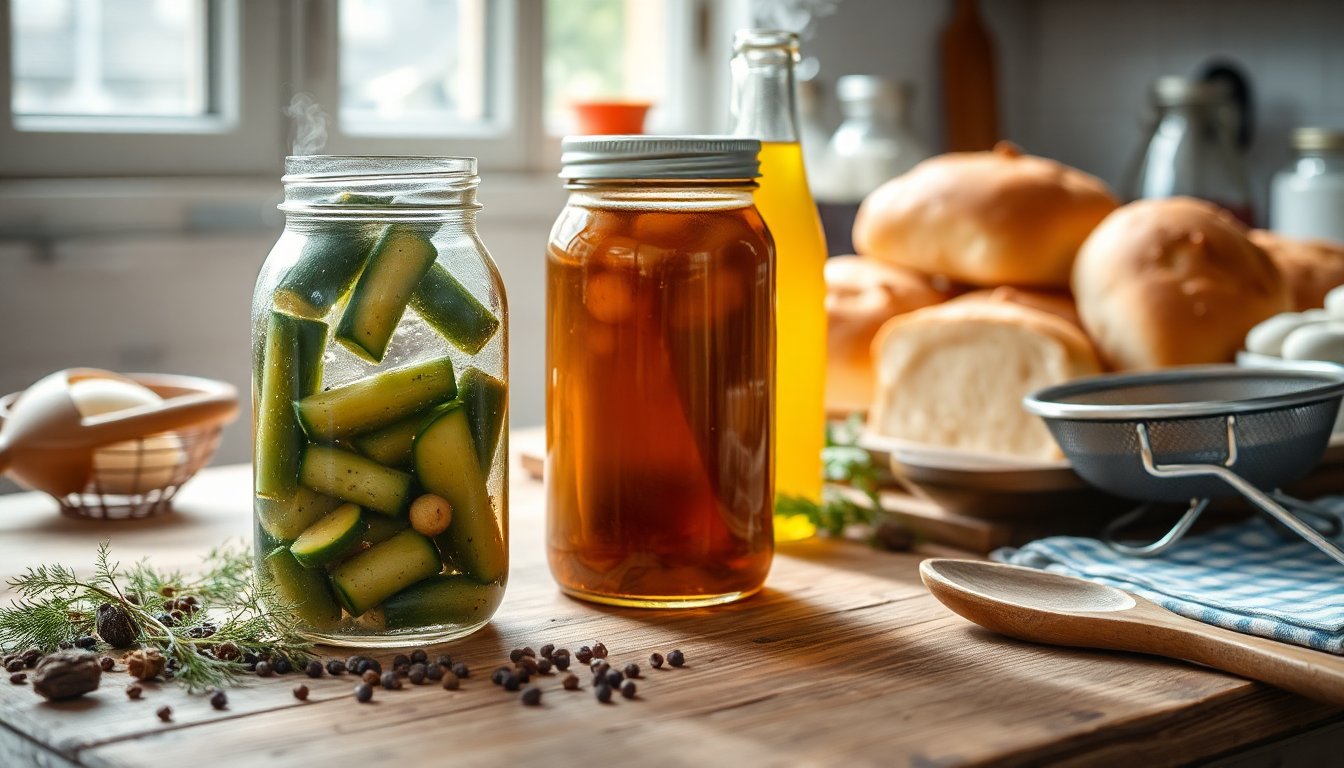
Fermentation is one of the oldest culinary techniques, used across cultures to preserve food, enhance flavors, and improve nutritional value. The process relies on microorganisms such as bacteria, yeast, and mold to transform raw ingredients into complex, tangy, and umami-rich dishes. Common examples include sauerkraut, kimchi, yogurt, sourdough, miso, and kombucha. Successful fermentation depends on controlling temperature, moisture, and the balance of ingredients to ensure desirable microbial activity while preventing spoilage. For example, fermenting vegetables requires careful salting and temperature management to promote lactic acid bacteria, resulting in crisp, flavorful products. Sourdough bread uses wild yeast and bacteria to create tangy, chewy loaves, while yogurt relies on specific cultures to produce creamy texture and balanced acidity. This guide provides detailed instructions for home fermentation projects, emphasizing safety, hygiene, and taste optimization. It explains the science behind microbial interactions, the role of pH, and how fermentation can unlock hidden flavors in ingredients. Additionally, it explores creative applications of fermented foods, including sauces, dips, dressings, and baked goods, demonstrating their versatility in modern cuisine. By incorporating fermentation into everyday cooking, home cooks can expand their flavor palette, develop a deeper connection with ingredients, and enjoy foods that are both healthful and delicious.
Global Sauces and Condiments: Elevating Every Dish
Sauces and condiments are fundamental in elevating the taste of any meal, acting as flavor boosters, texture enhancers, and visual complements. Across cultures, sauces range from the rich, creamy French béchamel to the tangy and spicy Korean gochujang, or the versatile Italian pesto. Mastering these elements begins with understanding base ingredients, emulsification, seasoning, and cooking techniques. Emulsified sauces like hollandaise require precise temperature control and careful whisking to create a smooth, stable texture. Reduction sauces, such as wine or stock-based reductions, concentrate flavors while balancing acidity, sweetness, and seasoning. Marinades and dipping sauces, including chimichurri, teriyaki, or harissa, provide additional layers of flavor when applied before or after cooking. This guide includes step-by-step recipes for classic and modern sauces, highlighting ingredient substitutions, flavor balancing, and storage tips. Additionally, it provides guidance on pairing sauces with proteins, vegetables, and grains to maximize taste harmony. By mastering sauces and condiments, home cooks can transform simple dishes into restaurant-quality experiences, adding depth, complexity, and flair to everyday meals while exploring flavors from around the world.

Decoding the Secrets of Asian Street Cuisine
Asian street food is renowned for its bold flavors, dynamic textures, and inventive combinations. From the bustling night markets of Bangkok to the food stalls of Seoul and Tokyo, street cuisine showcases affordable, flavorful, and quick-to-prepare dishes. Key principles include balancing taste profiles — sweet, salty, sour, umami, and spicy — and creating contrast in texture between crunchy, soft, and chewy elements. Popular dishes include Japanese takoyaki, Thai pad Thai, Vietnamese banh mi, Chinese baozi, and Korean tteokbokki. Recreating these dishes at home involves sourcing authentic ingredients, learning traditional techniques, and mastering essential sauces and spices. This guide explains step-by-step methods for preparing noodles, dumplings, skewers, and fried snacks, with tips for maintaining freshness and flavor. It also explores plating, garnishing, and serving techniques to mimic street presentation and enjoyment. Beyond recipes, the guide highlights the cultural context behind each dish, explaining their historical origins and role in community life. By understanding the culinary logic of Asian street food, home cooks can experiment with flavors, textures, and presentation to create a vibrant, interactive dining experience that mirrors the excitement and creativity of street markets, all within a domestic kitchen setting.

The Art of Slow Cooking: Depth of Flavor
Slow cooking transforms simple ingredients into rich, complex dishes, allowing flavors to develop gradually over extended periods. Whether using a traditional Dutch oven, a modern slow cooker, or a low-temperature oven, the technique unlocks textures and tastes that are impossible to achieve with fast cooking methods. Root vegetables, legumes, meats, and aromatic herbs combine under gentle heat to create deeply satisfying meals such as stews, braises, and soups. The process emphasizes layering flavors — sautéing aromatics, deglazing, adding liquids, and seasoning incrementally — to produce nuanced and balanced results. This guide explores diverse slow-cooked recipes, including Moroccan tagines, French coq au vin, and Indian curry stews, detailing ingredient selection, timing, and temperature management. It also provides insights on adapting slow-cooked dishes for modern kitchens, such as converting recipes for pressure cookers or multi-cookers while maintaining authenticity. Additional tips cover garnishes, textures, and flavor adjustments to suit individual preferences. Embracing slow cooking encourages mindfulness, patience, and creativity, allowing home cooks to transform everyday ingredients into comforting, memorable meals that emphasize the depth and richness of flavors developed over time.

Mastering Plant-Based Culinary Creations
Plant-based cooking has evolved far beyond simple vegetable dishes, offering a vibrant and diverse range of flavors, textures, and nutritional benefits. Modern plant-based recipes emphasize the creative use of legumes, grains, nuts, seeds, and vegetables to achieve dishes that are both satisfying and wholesome. Techniques such as roasting, steaming, sautéing, and blending can transform raw ingredients into rich, flavorful meals, while creative combinations of herbs, spices, and natural sweeteners elevate taste. For example, combining roasted root vegetables with tahini or miso can introduce umami notes, while using aquafaba or flaxseed as egg substitutes allows bakers to achieve fluffy textures in cakes and muffins. This guide covers step-by-step methods for preparing plant-based versions of classic dishes, including lasagna, burgers, curries, soups, and desserts, highlighting ingredient substitutions and flavor enhancement strategies. Additionally, it explains the science behind texture and taste balance, such as achieving creamy sauces without dairy, creating chewy meat substitutes from legumes, and building layered flavors with sautéed aromatics. The guide also explores international plant-based cuisine, from Asian stir-fries to Mediterranean grain bowls, demonstrating how diverse ingredients and techniques can be combined to create compelling dishes. By following these principles, home cooks can expand their culinary repertoire, enjoy flavorful plant-based meals, and gain confidence in transforming vegetables and plant proteins into memorable dishes for themselves and their families.

The Secrets of Artisanal Cheese Making
Artisanal cheese making is a time-honored craft that combines science, tradition, and artistry. Making cheese at home allows enthusiasts to explore flavors, textures, and techniques that commercial products cannot replicate. The process begins with selecting high-quality milk, whether cow, goat, or sheep, which serves as the foundation for taste and texture. Cultures, rennet, and temperature control are crucial in coagulation, determining the firmness and consistency of the curd. Aging methods influence flavor development, with some cheeses maturing for weeks while others age for months to develop complex aromas and taste profiles. This guide provides step-by-step instructions for beginners, covering soft cheeses like ricotta and chèvre, semi-hard varieties like gouda and cheddar, and specialty cheeses infused with herbs, spices, or wine. Attention is given to hygiene, curd handling, pressing, and proper storage. In addition, it explores the science of fermentation, pH balance, and the role of beneficial bacteria in flavor and texture development. Practical tips include pairing cheeses with accompaniments such as fruits, nuts, and wines to enhance tasting experiences. By mastering artisanal cheese making, home cooks can not only enjoy fresh, unique cheeses but also deepen their understanding of the complex chemistry and art behind one of the world’s most cherished culinary traditions.
Exploring the Art of Chocolate Confections
Chocolate has captivated human taste buds for centuries, evolving from a simple bitter beverage into elaborate confections that delight the senses. Crafting chocolate-based desserts at home requires an understanding of cocoa content, tempering, and flavor layering. Tempering chocolate ensures proper crystal formation, producing a shiny finish and a satisfying snap when broken. Techniques like ganache preparation, molding, and enrobing allow cooks to create truffles, bars, and decorative elements with precision. Flavoring options include infusions with spices, fruits, nuts, or liqueurs, while contrasting textures like crispy wafers, soft caramel, or crunchy nuts create a balanced experience. This guide walks home cooks through detailed steps for making chocolate desserts, including truffles, chocolate tarts, layered cakes, and mousse. It also explains troubleshooting methods for common challenges such as blooming, seizing, or over-tempering. Additionally, it explores pairing chocolate with beverages like coffee, tea, and wine, as well as complementary ingredients like sea salt, chili, or citrus to enhance the flavor profile. By mastering the art of chocolate confections, enthusiasts can produce visually appealing, decadent desserts that impress friends and family while deepening their appreciation for chocolate’s versatility and complexity.

Innovative Molecular Gastronomy at Home
Molecular gastronomy transforms the way we experience food by combining chemistry, physics, and culinary creativity to produce innovative dishes that delight both taste and visual perception. While often associated with high-end restaurants, molecular gastronomy techniques can be adapted for home kitchens to create unique textures, flavors, and presentations. Techniques such as spherification, foams, gels, and sous-vide allow cooks to manipulate ingredients in unconventional ways. For instance, spherification can turn fruit juices into delicate spheres that burst with flavor, while foams can provide aromatic accents to traditional dishes. This guide introduces readers to the fundamental principles of molecular gastronomy, offering step-by-step instructions for experiments such as edible gels, flavored foams, and texturally complex desserts. Safety, ingredient sourcing, and equipment guidance are included to ensure success in home kitchens. Additionally, it explores the artistic aspect, showing how plating and visual design can enhance sensory engagement. By engaging with molecular gastronomy, home cooks can explore new dimensions of flavor, texture, and presentation, bridging science and art in a way that transforms ordinary ingredients into extraordinary culinary experiences.
Reviving Traditional Fermented Beverages
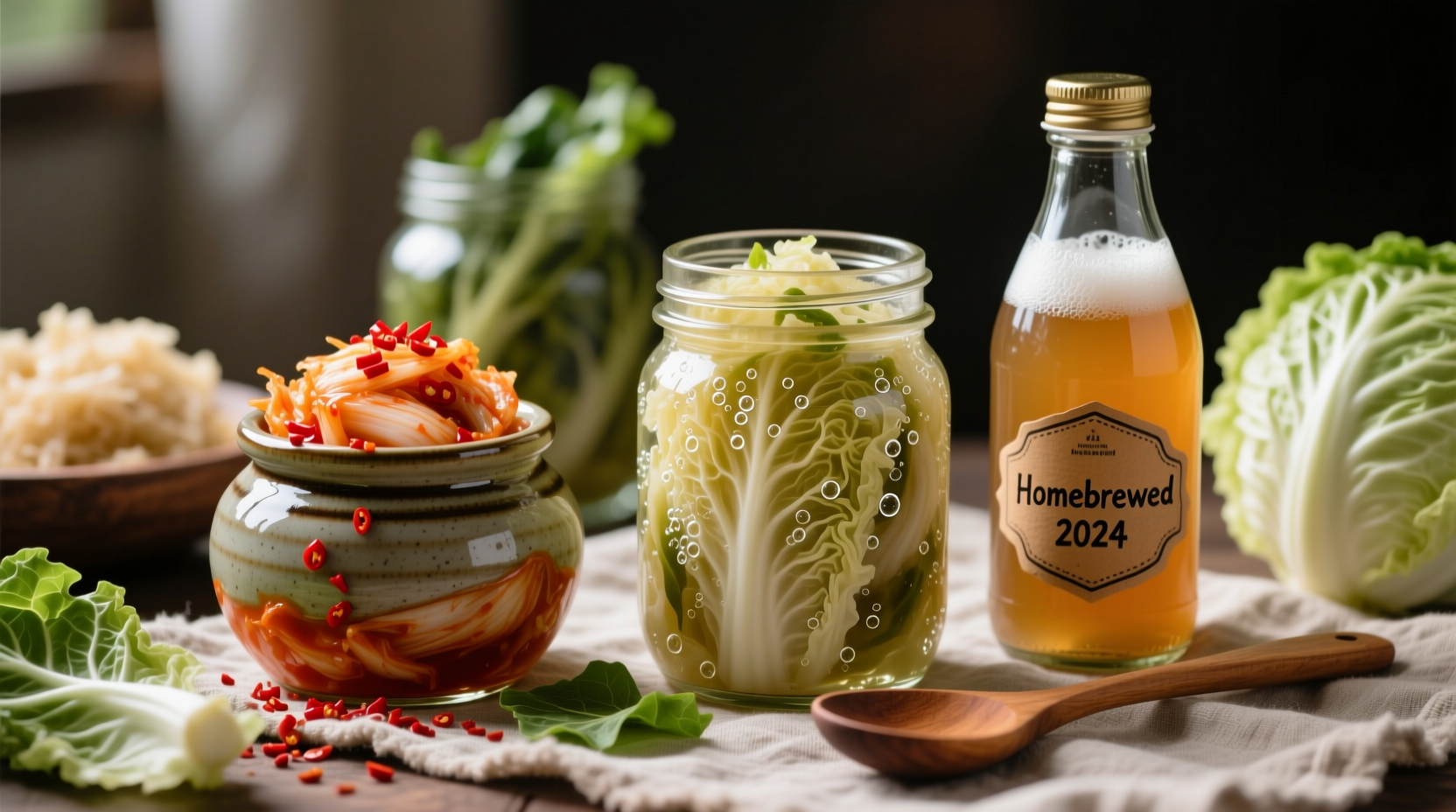
Fermented beverages have played a significant role in culinary traditions worldwide, offering unique flavors, digestive benefits, and cultural significance. Drinks such as kombucha, kefir, kvass, and tepache utilize natural fermentation processes to develop complex taste profiles. At home, crafting these beverages requires understanding sugar content, temperature, fermentation duration, and microbial cultures. Each beverage has distinct characteristics — kombucha combines sweetened tea with a SCOBY to produce effervescent, tangy flavors, while kefir involves culturing milk with grains that create a creamy, slightly sour drink. Kvass, made from fermented bread, and tepache, a Mexican pineapple-based drink, showcase the diverse cultural approaches to fermentation. This guide provides detailed, step-by-step instructions for preparing a variety of fermented beverages at home, emphasizing hygiene, ingredient quality, and flavor customization. It also explains the science behind microbial activity, the role of pH, and how to control carbonation and acidity. By mastering fermented beverages, home cooks can enjoy refreshing, healthful drinks, explore global flavors, and participate in a tradition that has nourished societies for centuries.
Exploring the World of Gourmet Sauces
Gourmet sauces can transform a simple dish into a culinary masterpiece, enhancing flavors, adding depth, and balancing textures. Mastering sauce-making requires understanding the fundamental elements: base, thickening agent, seasoning, and finishing touches. Classic sauces such as béchamel, velouté, hollandaise, and espagnole serve as building blocks for countless variations, while contemporary chefs experiment with infusions of herbs, fruits, and spices to create unique profiles. This guide provides detailed, step-by-step instructions for preparing a wide range of sauces, emphasizing the science behind emulsification, reduction, and consistency. Techniques like tempering butter, blending purees, and adjusting acidity are explained to achieve perfect texture and taste. Additionally, it covers pairing sauces with appropriate dishes, from delicate fish to hearty meats, pasta, and roasted vegetables. By mastering gourmet sauces, home cooks gain the ability to elevate everyday meals, experiment creatively with flavors, and develop confidence in executing recipes that impress guests and satisfy diverse palates.

Innovations in Plant-Based Desserts
Plant-based desserts have evolved into a sophisticated culinary arena, combining creativity, nutrition, and indulgence without relying on dairy or eggs. Innovative techniques utilize ingredients like aquafaba, coconut cream, nut butters, and fruit purees to achieve creamy textures, rich flavors, and visually stunning presentations. This comprehensive guide explores how to construct decadent plant-based desserts, from cakes and mousses to tarts and frozen treats, emphasizing flavor layering and texture balance. It explains how to achieve structural stability in mousses and frostings, develop caramelized notes without butter, and incorporate plant proteins to enhance mouthfeel. The guide also details the use of natural thickeners like agar-agar, pectin, and tapioca to replace gelatin in jellies and custards. Step-by-step instructions highlight preparation, assembly, and finishing techniques, including piping, glazing, and decorative plating. Additionally, it discusses flavor pairings, such as pairing citrus with chocolate, tropical fruits with nuts, and spices like cardamom or cinnamon with creamy bases. By mastering these innovations, bakers and home cooks can create indulgent desserts that satisfy cravings, respect dietary preferences, and impress family and friends with originality and skill.
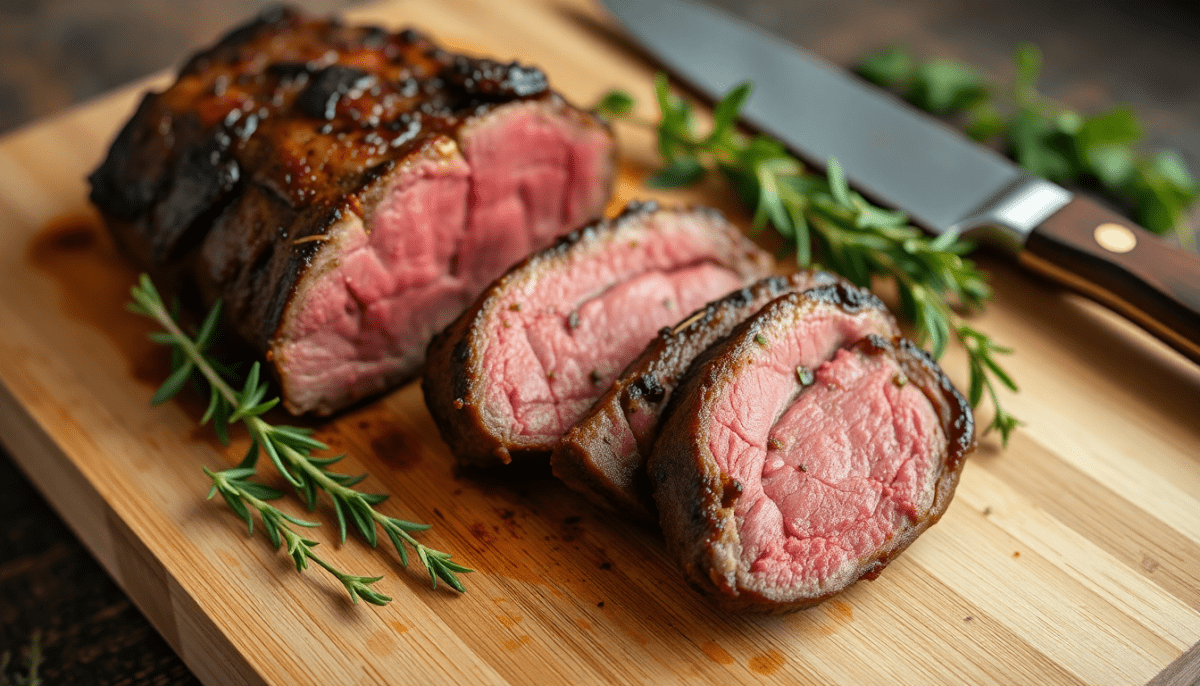
Secrets to Perfectly Roasted Meats
Roasting meat is both an art and a science, requiring precision, timing, and an understanding of heat transfer to achieve optimal flavor and texture. From poultry to beef, lamb, and pork, roasting techniques vary depending on cut, fat content, and desired doneness. This guide explains temperature control, seasoning strategies, and cooking methods to retain moisture while developing deep, caramelized flavors. It explores the use of dry rubs, marinades, and brines to enhance flavor and tenderness, while the choice of cooking vessels, basting methods, and resting periods are emphasized to ensure evenly cooked results. Additionally, it details the Maillard reaction, its impact on taste, and how to manipulate heat zones to achieve a perfect crust without overcooking. Step-by-step instructions cover preparation, seasoning, roasting times, and carving techniques for various types of meat. The guide also includes tips for creating complementary sides, sauces, and garnishes to elevate the overall dish. By understanding these principles, home cooks can achieve restaurant-quality roasted meats, delighting family and guests with perfectly balanced flavors and textures in every meal.

The Art of Handcrafted Pasta
Handcrafted pasta remains a cornerstone of culinary tradition, offering unparalleled texture, flavor, and versatility compared to store-bought varieties. This guide explores the techniques and science behind making fresh pasta from scratch, including dough preparation, kneading, resting, and shaping. Ingredients like flour type, egg ratio, hydration, and salt concentration are explained in detail, emphasizing their influence on texture and elasticity. Techniques for rolling, cutting, and forming various pasta shapes, from tagliatelle to ravioli and gnocchi, are described with step-by-step instructions, ensuring consistent results. Additionally, it discusses filling combinations, sauce pairings, and cooking times to preserve flavor and structure. Advanced tips cover layering flavors in stuffed pastas, achieving uniform thickness, and using tools like pasta machines or hand-rolling techniques. This guide also highlights the cultural history of pasta across regions, exploring how Italian, Asian, and other culinary traditions influence preparation styles. By mastering handcrafted pasta, cooks can create fresh, flavorful, and visually appealing dishes that elevate home dining experiences and provide a deep appreciation for culinary craftsmanship.

Global Street Food: Recipes and Techniques
Street food represents the vibrant, diverse, and accessible side of global cuisine, offering flavors and experiences that reflect local cultures and culinary creativity. This guide explores authentic street food recipes from around the world, providing step-by-step instructions to recreate these iconic dishes at home. From tacos and empanadas to satay, dumplings, and crepes, the guide covers preparation, cooking techniques, seasoning balance, and presentation. Emphasis is placed on texture contrast, flavor layering, and ingredient sourcing to capture the essence of each dish. Additionally, it explains how to adapt street food recipes for home kitchens while maintaining authenticity, including tips for grilling, frying, steaming, and assembling ingredients efficiently. The guide also discusses pairing dishes with sauces, dips, and beverages to enhance taste and cultural experience. By exploring global street food, home cooks can expand their culinary horizons, enjoy diverse flavors, and bring a sense of adventure to everyday meals, all while mastering practical cooking techniques that elevate simple ingredients into memorable dishes.
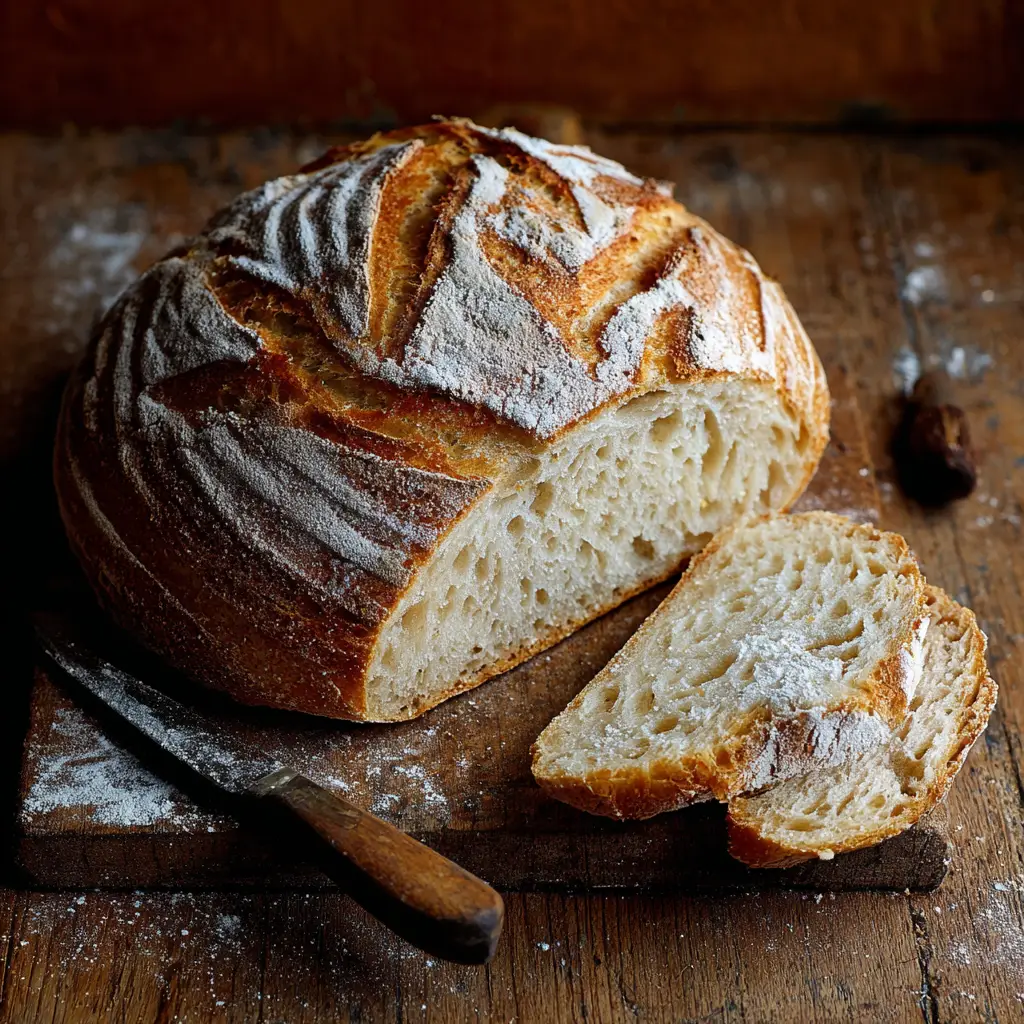
Mastering Artisan Bread at Home
Artisan bread-making is an intricate and rewarding culinary practice that combines science, patience, and creativity. Unlike mass-produced bread, artisan bread relies on natural fermentation, careful kneading, and precise temperature control to achieve its signature texture and flavor. This guide explores the principles of creating crusty loaves, soft sandwich breads, and rustic sourdoughs, starting from ingredient selection to shaping, scoring, and baking. Understanding the role of flour types, hydration levels, and fermentation times is crucial, as they impact the crumb structure and crust quality. The guide explains how to cultivate and maintain a sourdough starter, how to balance yeast and bacteria activity, and how to troubleshoot common issues such as underproofing or dense loaves. Techniques for shaping and scoring are detailed to create visually appealing patterns while ensuring even baking. It also covers baking methods, including the use of steam, Dutch ovens, and baking stones, which enhance the crust and aroma. Additionally, the guide discusses flavor variations, incorporating ingredients like seeds, nuts, herbs, or dried fruits to create unique bread experiences. By mastering artisan bread, home bakers can enjoy fresh, flavorful, and nutritious loaves daily, while gaining a deeper understanding of the chemistry behind fermentation and dough transformation.

Exploring Molecular Gastronomy in Home Cooking
Molecular gastronomy brings scientific precision and creativity to the art of cooking, transforming ordinary ingredients into extraordinary culinary experiences. This comprehensive guide introduces the fundamental techniques used in molecular gastronomy, such as spherification, gelification, emulsification, and foaming, explaining the science behind each method and how it alters texture and flavor. The guide also explores equipment and ingredient requirements, from syringes and immersion blenders to agar-agar, sodium alginate, and lecithin. Step-by-step instructions demonstrate how to prepare avant-garde dishes that combine taste, visual appeal, and innovation. Examples include encapsulated fruit juices, airy foams, edible gels, and flavored pearls that burst with flavor, showcasing how chemical reactions enhance sensory experiences. Safety tips and precise measurements are emphasized to ensure reliable results. Additionally, the guide explains pairing techniques, balancing flavors, and presenting dishes with artistic flair, making molecular gastronomy accessible to home cooks without requiring expensive tools. By mastering these innovative methods, chefs can explore the boundaries of culinary creativity, delight guests with surprising textures and sensations, and elevate everyday cooking into a highly imaginative and scientifically informed art form.
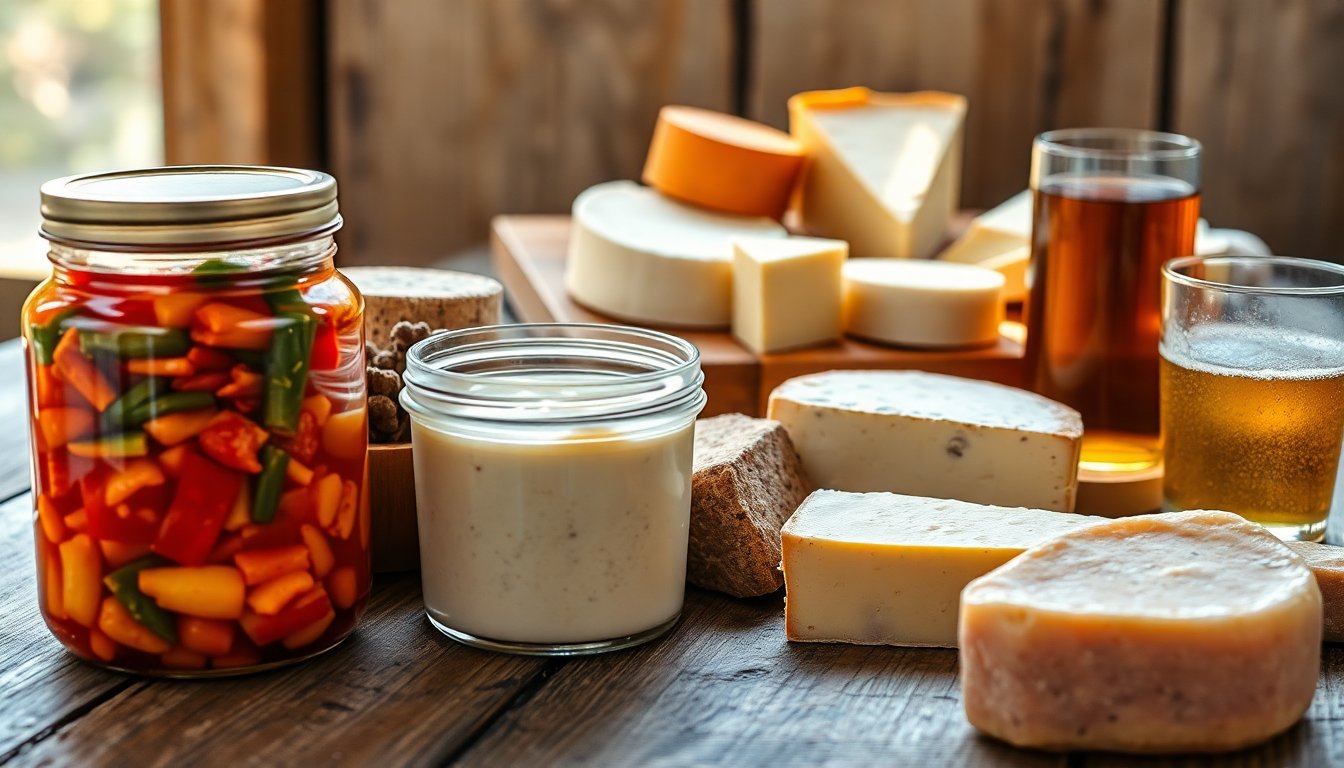
The Science and Art of Fermentation
Fermentation has been an essential culinary technique for centuries, preserving foods and creating complex flavors while enhancing nutritional value. This guide dives deeply into the world of fermentation, covering vegetables, dairy, beverages, and grains. It explains the biology behind microbial activity, including the role of lactic acid bacteria, yeasts, and molds in transforming raw ingredients into flavorful, safe, and digestible foods. Detailed instructions cover sauerkraut, kimchi, yogurt, kefir, kombucha, sourdough, and pickles, providing step-by-step guidance for maintaining proper hygiene, temperature control, and timing. Flavor development, acidity balance, and textural changes are discussed, allowing cooks to experiment with mild to intense fermentation processes. The guide also highlights troubleshooting tips for preventing unwanted mold growth, off-flavors, or excessive fermentation. By understanding the science behind fermentation, home cooks can produce highly nutritious and complex dishes that elevate simple ingredients into gourmet experiences. Additionally, it encourages experimentation with herbs, spices, and seasoning combinations to create personalized fermented products. The guide promotes sustainable cooking practices, showcasing how fermentation extends shelf life and reduces food waste, while imparting depth and richness to daily meals. Ultimately, mastering fermentation combines tradition, science, and creativity into a transformative culinary practice that is both practical and deeply satisfying.
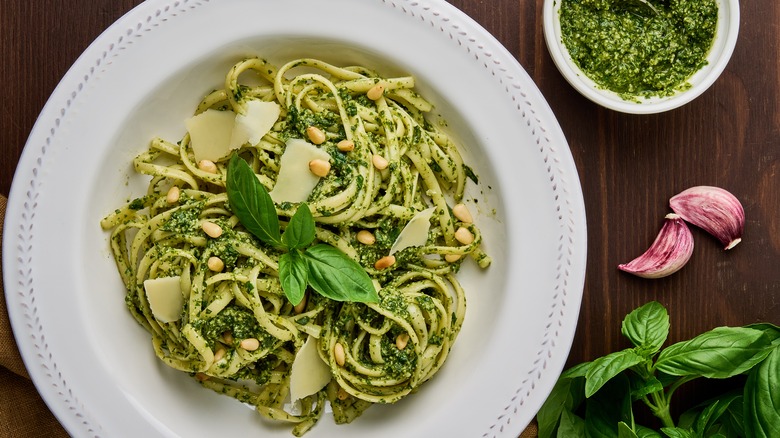
Innovative Plant-Based Cooking Techniques
Plant-based cooking has evolved into a diverse and innovative culinary field, emphasizing health, sustainability, and flavor. This guide explores techniques for maximizing taste, texture, and nutritional content when cooking exclusively with plant-derived ingredients. It covers ingredient selection, including a variety of grains, legumes, vegetables, nuts, seeds, and plant-based proteins, highlighting how each component contributes to flavor, structure, and mouthfeel. Methods such as roasting, sautéing, steaming, grilling, and braising are explained in detail, with tips for seasoning, marinating, and combining ingredients to create balanced and satisfying dishes. The guide also explores advanced techniques like aquafaba-based desserts, nut cheese preparation, and vegetable-based pasta and noodles. Flavor layering, umami enhancement, and color presentation are emphasized, ensuring that plant-based meals are visually appealing and richly satisfying. Additionally, it offers advice on substitutions for traditional animal products, including how to replace eggs, dairy, and gelatin while maintaining texture and taste. By mastering these innovative plant-based techniques, home cooks can create imaginative meals that are both nutritious and indulgent, making plant-based cuisine accessible, exciting, and adaptable for a wide range of culinary preferences.

Mastering the Art of Chocolate
Chocolate is one of the most versatile and beloved ingredients in the culinary world, offering endless possibilities for both sweet and savory applications. This comprehensive guide provides detailed instruction on working with chocolate, including tempering, melting, molding, and flavor pairing. It explains the differences between cocoa solids, cocoa butter, couverture chocolate, and chocolate with varying cacao percentages, and how each affects texture, melting point, and taste. The guide explores creating ganaches, truffles, chocolate sauces, mousses, and decorations, with precise instructions for achieving smooth, glossy, and stable results. Advanced techniques like molding, painting, and sculpting chocolate are included, along with troubleshooting tips for common issues like blooming, seizing, or grainy texture. The guide also delves into creative flavor combinations, incorporating fruits, spices, nuts, and liquors to elevate the chocolate experience. By mastering chocolate, home cooks gain the ability to craft professional-quality desserts, gifts, and confections that are both visually stunning and indulgently flavorful. This knowledge allows for innovation while respecting the science and artistry behind one of the world’s most cherished ingredients.

Exploring the World of Gourmet Soups
Soups are a fundamental part of culinary traditions worldwide, offering versatility, nutrition, and comfort. This guide explores gourmet soup-making techniques that elevate simple ingredients into flavorful, sophisticated dishes. Beginning with the basics, it explains the selection of broths, stocks, and consommés, highlighting how proper preparation enhances the depth of flavor. Techniques such as simmering, roasting, sautéing, and blending are detailed to maximize taste and texture. The guide covers a wide range of soup types, from classic French bisques and Italian minestrone to Asian-inspired miso and hot-and-sour soups. Ingredients, seasoning, and spice combinations are examined to balance flavors harmoniously, and methods for incorporating proteins, grains, and vegetables are provided to create complete, nutritious meals. Advanced techniques like emulsification, reduction, and foam garnishes are introduced for those seeking a more sophisticated presentation. Additionally, it discusses plating, serving temperature, and garnishing methods to enhance visual appeal and flavor perception. Special attention is given to dietary variations, including vegan, gluten-free, and low-sodium options, ensuring accessibility for a wide audience. By mastering gourmet soup preparation, home cooks can create dishes that are comforting, nourishing, and artistically presented, transforming everyday ingredients into culinary masterpieces and providing diners with a memorable and multisensory experience.

The Art of Fermented Beverages
Fermented beverages have a rich history, offering both health benefits and unique flavor profiles. This guide covers a variety of fermentable drinks, from kombucha and kefir to artisanal beers and cider, explaining the science behind fermentation and its role in enhancing taste and nutrition. Detailed instructions on ingredient preparation, fermentation timing, temperature control, and hygiene practices are provided to ensure safe and successful results. The guide explores flavoring techniques with fruits, herbs, and spices, as well as carbonation methods to achieve the perfect effervescence. Troubleshooting tips help prevent common issues such as off-flavors, contamination, or over-fermentation. Beyond the technical aspects, the guide emphasizes pairing beverages with meals, understanding the role of acidity, sweetness, and tannins, and exploring the sensory experience of taste, aroma, and mouthfeel. By mastering fermented beverages, enthusiasts can craft innovative drinks at home that rival commercial products, while deepening their understanding of microbial activity, chemistry, and flavor development. This practice not only enhances culinary creativity but also supports health-conscious and sustainable living, offering a rewarding and enjoyable addition to everyday culinary experiences.

Decoding Cheese Making at Home
Cheese making is a delicate blend of science, patience, and artistry that transforms simple milk into complex flavors and textures. This guide provides an in-depth look at home cheese production, from selecting milk and cultures to the nuances of aging, pressing, and flavor development. It covers a range of cheeses, including fresh varieties like ricotta and mozzarella, soft cheeses like brie, and harder styles such as cheddar and gouda. Detailed instructions explain the roles of rennet, cultures, pH levels, temperature, and humidity in shaping texture and taste. The guide emphasizes hands-on techniques, including curd cutting, whey draining, molding, and salting, while troubleshooting tips help prevent common issues like cracking, over-acidity, or grainy texture. Flavor enhancements with herbs, spices, and smoke are explored to create distinctive cheeses. Additionally, the guide provides insights into pairing cheeses with wines, fruits, and breads, enhancing culinary enjoyment. Home cheesemaking not only allows for creative expression but also offers a deeper appreciation of fermentation science and artisanal traditions, turning a simple ingredient like milk into a rich and rewarding gastronomic experience.
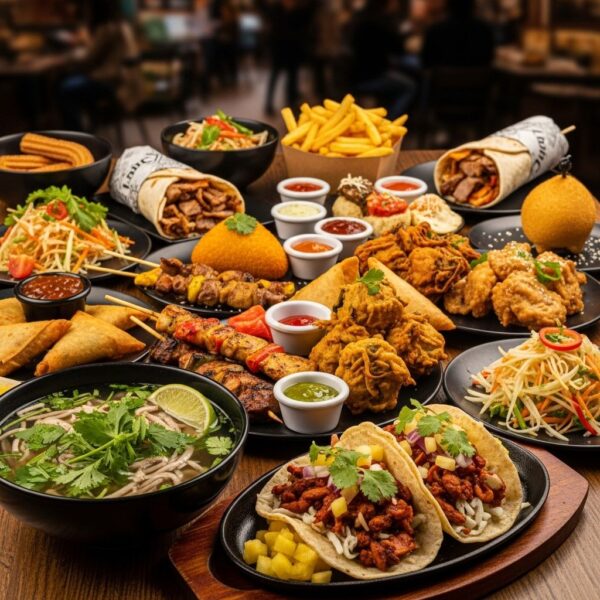
Exploring Global Street Food at Home
Street food offers an authentic taste of cultures worldwide, representing the heart of local cuisine. This guide provides a detailed exploration of global street food recipes adapted for home cooking, ensuring accessibility while preserving flavor authenticity. It includes techniques for preparing tacos, dumplings, samosas, bao buns, crepes, falafel, and more. The guide covers ingredient selection, spice blending, and cooking methods like frying, steaming, grilling, and baking to achieve the correct texture and flavor profiles. It emphasizes balancing taste, aroma, and presentation while providing tips for efficient preparation, safety, and hygiene. Additionally, the guide explains regional variations, historical context, and cultural significance, helping home cooks understand the origins and storytelling behind each dish. By mastering global street food at home, enthusiasts can recreate vibrant culinary experiences, explore new flavors, and gain a deeper appreciation for world cultures. The guide also highlights pairing beverages and side dishes to enhance the experience, making street food preparation a comprehensive, educational, and enjoyable culinary adventure. This approach allows for creative experimentation while celebrating the rich diversity of international street cuisine.

The Secrets of Perfect Pasta
Pasta is a cornerstone of many culinary traditions, offering endless variations and flavor possibilities. This guide delves into the art and science of pasta making, from fresh dough preparation to cooking techniques that ensure ideal texture and flavor. It covers flour selection, hydration ratios, kneading, rolling, and cutting methods, explaining how each step impacts the final product. Techniques for shaping pasta into spaghetti, fettuccine, ravioli, tortellini, and lasagna are detailed, along with tips for stuffing, folding, and sealing filled pasta. Cooking methods are discussed to achieve al dente perfection, including water salting, temperature control, and timing. The guide also explores sauce preparation, seasoning, and pairing principles, highlighting how complementary flavors and textures enhance the overall dining experience. Additionally, it introduces variations using whole grains, vegetables, and alternative flours to accommodate dietary preferences. By mastering pasta making, home cooks gain the ability to create restaurant-quality dishes that are both visually appealing and deeply satisfying, allowing for creativity, experimentation, and the enjoyment of authentic Italian-inspired cuisine in their own kitchens. Attention is given to plating, presentation, and garnishing techniques, ensuring that each dish is not only delicious but also aesthetically pleasing, providing a full sensory culinary experience.

Mastering the Art of Sourdough Bread
Sourdough bread has experienced a resurgence in popularity due to its unique flavor, texture, and artisanal quality. This guide provides an extensive overview of sourdough bread making, starting with the creation and maintenance of a sourdough starter, which is the heart of the bread. It explains how to cultivate natural yeasts, monitor fermentation, and feed the starter to maintain activity and consistency. The guide details mixing techniques, including autolyse, kneading, and folding methods that develop gluten structure without overworking the dough. Tips for bulk fermentation, shaping, scoring, and proofing are provided to achieve optimal rise and structure. The baking process is covered in depth, including oven setup, steam creation, temperature control, and timing, which are essential to produce a crisp crust and airy crumb. Variations of sourdough bread, such as whole grain, rye, and flavored loaves with nuts, seeds, or dried fruits, are included with instructions on ingredient adjustments and hydration levels. Troubleshooting common issues like dense texture, underproofing, or excessive sourness is also addressed. Additionally, the guide emphasizes the sensory experience of bread: aroma, taste, texture, and visual appeal, and provides advice on slicing, storing, and pairing sourdough with spreads, cheeses, or meals. By following these techniques, home bakers can create sourdough breads that rival those of professional bakeries, turning the bread-making process into a rewarding, creative, and deeply satisfying culinary art.

Decadent Chocolate Desserts for Home
Chocolate is one of the most beloved ingredients worldwide, and creating desserts with it requires understanding both its properties and potential. This comprehensive guide explores the techniques needed to craft indulgent chocolate desserts at home. It begins with selecting the right type of chocolate—dark, milk, or white—and understanding cocoa percentages, tempering, and melting techniques to maintain smooth texture and glossy finish. Recipes include classic chocolate cakes, mousses, ganaches, tarts, and truffles, with detailed instructions on ingredient ratios, temperature control, and baking or chilling times. Advanced techniques such as layering, glazing, piping, and decorative finishing are explained to elevate presentation. The guide also covers pairing chocolate with complementary flavors like berries, citrus, nuts, spices, and liqueurs to balance sweetness, bitterness, and aroma. Dietary adaptations, such as vegan chocolate desserts, sugar-free alternatives, and gluten-free options, are provided to accommodate diverse preferences. Troubleshooting common issues like grainy texture, cracking, or excessive sweetness is addressed to ensure consistent results. By mastering these chocolate dessert techniques, home cooks can impress guests, create memorable celebrations, and enjoy the deeply satisfying process of transforming high-quality chocolate into artistic, flavorful creations. In addition to recipes, the guide emphasizes plating, visual appeal, and layering textures to achieve a complete sensory dessert experience that engages taste, smell, and sight.
Gourmet Salad Crafting at Home
Salads are often underestimated in the culinary world, yet they offer vast opportunities for creativity, nutrition, and presentation. This guide explores crafting gourmet salads at home, from ingredient selection to dressing preparation and plating techniques. It emphasizes using fresh, seasonal produce, combining colors, textures, and flavors to create visually appealing dishes. Techniques for roasting, grilling, poaching, or marinating vegetables, proteins, and fruits are provided to enhance taste. The guide covers the preparation of homemade dressings, vinaigrettes, and emulsions, highlighting balancing acidity, sweetness, salt, and fats to complement ingredients without overpowering them. Protein additions such as poached eggs, grilled chicken, or tofu, as well as grains, legumes, nuts, and seeds, are discussed to create balanced meals. Plating tips for layering ingredients, arranging colors, and using edible garnishes ensure an aesthetically pleasing presentation. Seasonal variations, global inspiration, and flavor combinations from Mediterranean, Asian, and South American cuisines are included, encouraging home cooks to experiment and discover new taste profiles. Attention is given to dietary requirements, ensuring options for vegan, vegetarian, gluten-free, or low-calorie preferences. By following these principles, salads can evolve from simple side dishes into centerpiece creations that provide a harmonious combination of flavor, nutrition, and visual delight, transforming healthy eating into an enjoyable, sophisticated culinary experience.

Artisan Pizza Making for Home Chefs
Pizza is a global favorite, yet mastering artisan-style pizza at home requires understanding dough, toppings, and baking methods. This guide provides comprehensive instructions for creating pizzeria-quality pizzas in a home kitchen. It begins with dough preparation, explaining flour types, hydration ratios, kneading techniques, fermentation, and proofing. The guide covers shaping the dough, pre-baking techniques, and using toppings creatively while maintaining balance in flavors and textures. Cheese selection, sauce preparation, and layering methods are examined to ensure a harmonious taste. Baking techniques, including oven temperature, pizza stones, and convection methods, are explained to achieve optimal crust, melt, and caramelization. Advanced topics like wood-fired oven replication, sourdough crust variations, and regional styles (Neapolitan, Roman, New York) are included. The guide also provides tips for pairing pizza with wines, craft beers, or salads, enhancing the overall dining experience. Troubleshooting common issues such as dense crust, soggy toppings, or uneven baking ensures consistent results. Additionally, plating, cutting, and serving methods are addressed to maximize presentation. By following this guide, home chefs can elevate pizza-making from casual preparation to culinary artistry, delighting family and friends with gourmet creations that combine taste, texture, and visual appeal in every slice.
:max_bytes(150000):strip_icc()/the-best-slow-cooked-bolognese-sauce-recipe-hero-03_1-3bf4f3401fa84c828f68071df496ddd3.JPG)
Exploring the World of Homemade Pasta Sauces
Pasta sauces are the soul of Italian cuisine, transforming simple noodles into culinary masterpieces. This guide provides a deep dive into creating homemade pasta sauces that are flavorful, balanced, and versatile. It covers classic sauces such as marinara, Alfredo, Bolognese, pesto, and carbonara, explaining ingredient selection, flavor layering, and cooking techniques that enhance taste. Methods for balancing acidity, sweetness, herbs, and spices are emphasized, along with tips for achieving proper consistency and texture. Advanced sauces incorporating vegetables, seafood, meats, or cheeses are included with instructions on preparation, timing, and integration with pasta shapes. Pairing suggestions for pasta types, garnishes, and accompaniments are provided to create a harmonious dining experience. Dietary considerations such as vegan, gluten-free, and low-fat variations are discussed to accommodate diverse preferences. Troubleshooting common issues like over-reduction, separation, or bland flavors ensures consistently successful results. By mastering pasta sauce preparation, home cooks can elevate simple meals into restaurant-quality experiences, experimenting with flavor combinations, and creating dishes that are visually appealing, aromatic, and deeply satisfying. The guide also emphasizes presentation, plating, and finishing touches, ensuring that every pasta dish is both a culinary and sensory delight.
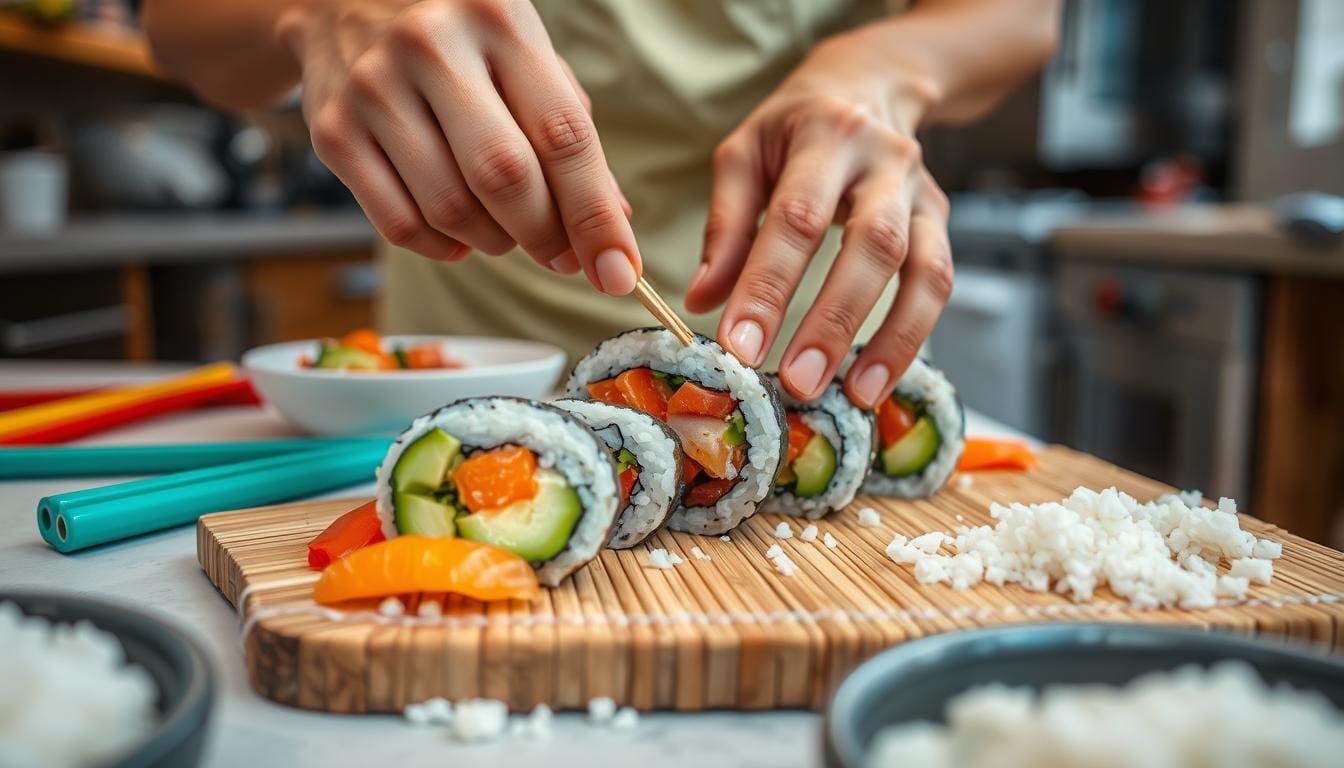
Homemade Sushi: Techniques and Tips
Sushi is often associated with professional chefs and specialized restaurants, but with proper techniques, it can be successfully made at home. This guide covers the essential elements of sushi making, including rice preparation, fish selection, rolling techniques, and presentation. It begins with sushi rice, explaining the importance of rinsing, soaking, cooking, and seasoning with vinegar, sugar, and salt to achieve the correct texture and flavor. Fish selection is discussed, emphasizing freshness, safe handling, and sustainable sourcing for raw and cooked varieties. Techniques for rolling sushi, including maki, nigiri, and temaki styles, are described in detail, with step-by-step guidance on shaping, cutting, and assembling ingredients. Vegetable, seafood, and fusion toppings are explored to create unique flavor combinations while balancing color and texture. Homemade sauces and condiments, such as soy-based dips, spicy mayo, and pickled ginger, are included to enhance taste and authenticity. The guide addresses plating and garnishing to create an aesthetically pleasing presentation, as visual appeal is integral to the sushi experience. Common challenges such as uneven rolling, rice sticking, or flavor imbalance are covered with practical troubleshooting tips. Nutritional aspects, dietary adaptations, and safety considerations are also included, ensuring a responsible and healthy approach to sushi preparation. By following these methods, home cooks can create sushi dishes that are flavorful, visually stunning, and satisfyingly interactive, making sushi-making an enjoyable culinary adventure.
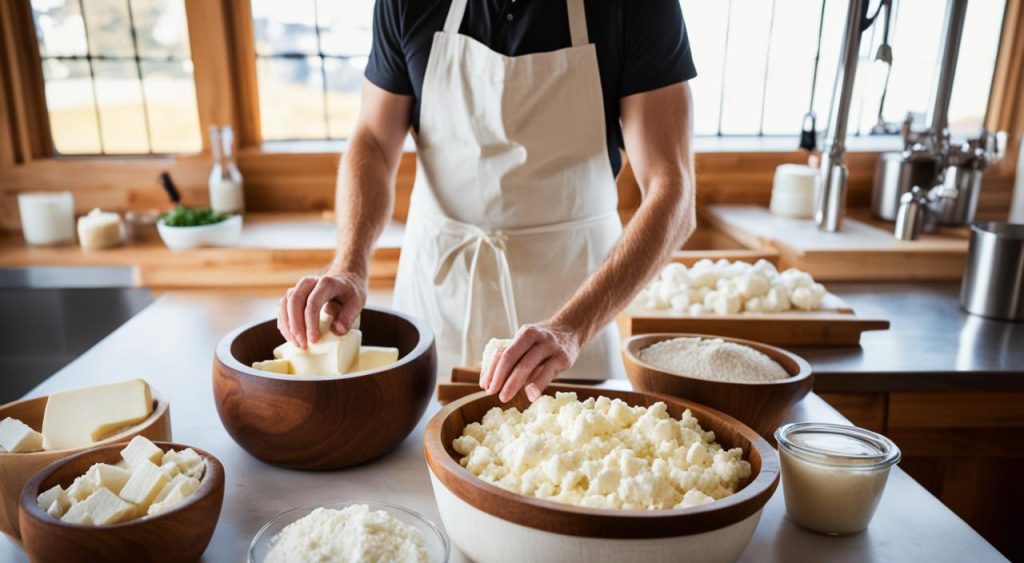
Crafting Artisan Cheese at Home
Artisan cheese making is a rewarding culinary pursuit that combines science, patience, and creativity. This guide explores the fundamentals of crafting various cheeses at home, from fresh mozzarella and ricotta to more complex aged varieties like cheddar or gouda. It explains milk selection, including cow, goat, or sheep, and the importance of quality, fat content, and pasteurization status. The guide covers essential tools and ingredients, such as cultures, rennet, thermometers, molds, and cheesecloth, and provides detailed instructions on their proper use. Step-by-step methods for curdling, cutting, draining, pressing, and aging are outlined to achieve the desired flavor, texture, and moisture content. Flavor variations through herbs, spices, and smoked or infused processes are explored to allow customization and experimentation. Safety and hygiene practices are emphasized, including sanitization, temperature control, and mold management, to prevent contamination and ensure consistent quality. Troubleshooting common problems, such as curd defects, texture inconsistencies, or flavor imbalance, is addressed to help home cheese makers achieve success. The guide also provides tips on storage, serving, and pairing cheese with accompaniments like wines, fruits, or breads. By mastering artisan cheese techniques, enthusiasts can produce unique, high-quality cheeses that rival commercial offerings, making cheese-making both an educational and deeply satisfying culinary experience.
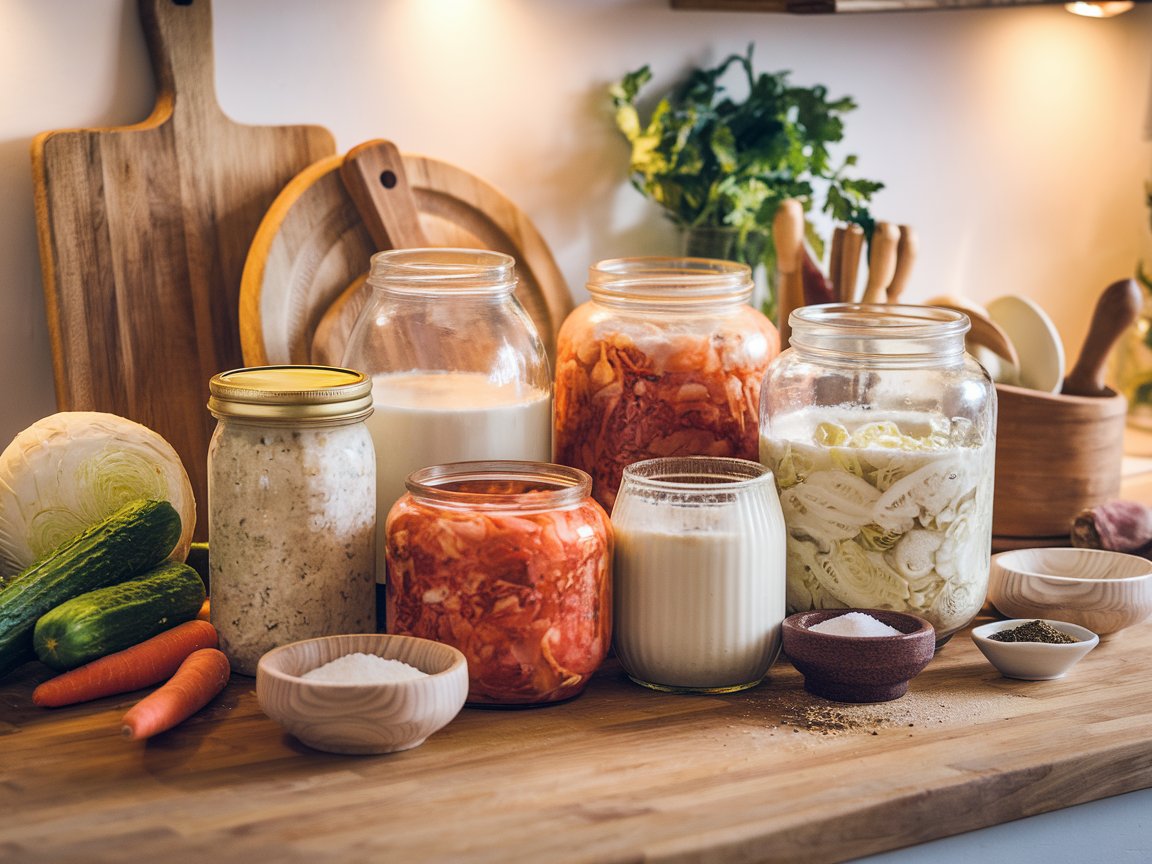
Exploring Fermented Foods at Home
Fermentation is an ancient culinary technique that enhances flavor, nutrition, and preservation. This guide delves into home fermentation, providing a comprehensive understanding of the processes required to make vegetables, dairy, and beverages safely and effectively. It begins with lactic acid fermentation for vegetables, including sauerkraut, kimchi, pickles, and other probiotic-rich foods, emphasizing the importance of salt concentration, temperature, and cleanliness to prevent spoilage. Fermenting dairy products, such as yogurt, kefir, and cheese, is covered with guidance on culture selection, milk preparation, and fermentation duration to achieve the desired texture and tang. Kombucha, water kefir, and other fermented beverages are discussed, with detailed instructions for starter cultures, sugar content, flavoring, and carbonation management. The guide explores health benefits, including probiotics, enhanced digestibility, and potential immune system support. Practical tips for monitoring, adjusting, and troubleshooting fermentation, such as preventing mold, controlling acidity, and maintaining consistent results, are included. Recipes for seasoning, flavor layering, and integrating fermented foods into meals are provided to maximize culinary enjoyment. The guide emphasizes the balance between science and creativity in fermentation, encouraging home cooks to experiment with ingredients, textures, and flavors while respecting safe food handling practices. By mastering fermentation techniques, users can enjoy vibrant, nutrient-dense foods, enhance their kitchen skills, and explore the rich cultural traditions behind these ancient practices.
Exploring the World of Homemade Soups
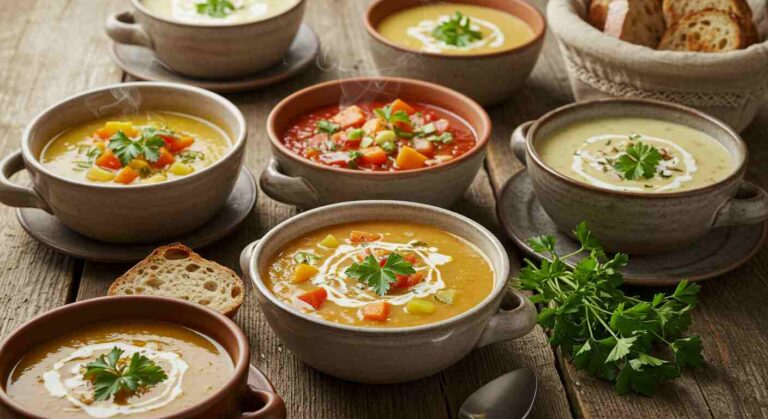
Soups are an essential part of global cuisine, offering warmth, nutrition, and versatility. This guide focuses on creating homemade soups from scratch, covering stock preparation, flavor building, and ingredient selection. Techniques for making vegetable, meat, seafood, and legume-based stocks are explained, emphasizing the importance of simmering time, temperature control, and seasoning to extract maximum flavor. Recipes include classic options like chicken noodle, minestrone, miso, gazpacho, and bisques, alongside innovative fusion varieties that combine unexpected ingredients to enhance taste. The guide discusses ingredient layering, cooking order, and consistency adjustments to achieve the perfect balance of flavors and textures. Tips on seasoning, incorporating herbs and spices, and adjusting acidity or sweetness are provided to refine taste. The importance of presentation, garnishing, and portioning is highlighted to create visually appealing and inviting dishes. Nutritional aspects, dietary accommodations, and preservation techniques are included to ensure soups are both healthy and safe. Troubleshooting common problems such as overcooking, bland flavor, or separation is addressed, providing solutions for consistent results. By following this guide, home cooks can elevate soup preparation into an art form, transforming simple ingredients into complex, comforting, and flavorful creations that satisfy both palate and soul.
The Art of Home Baking Pies and Tarts
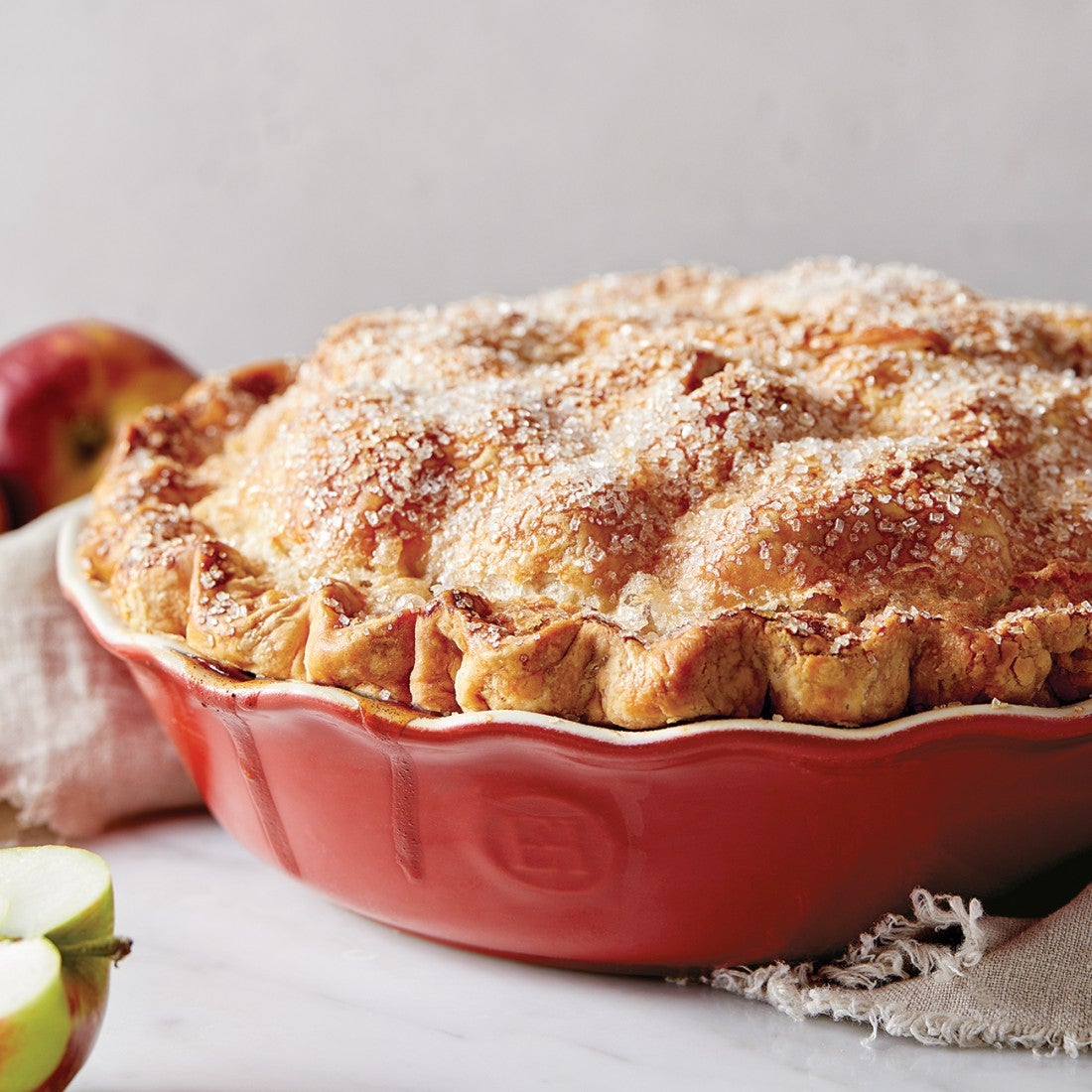
Baking pies and tarts at home is a timeless culinary pursuit that requires precision, patience, and creativity. This guide covers the fundamentals of pie and tart making, from dough preparation to baking techniques and finishing touches. It begins with understanding the different types of pastry, including shortcrust, puff, and sweet pastry, explaining flour selection, fat incorporation, and dough handling to achieve optimal texture. Techniques for rolling, lining, blind baking, and crimping are detailed to ensure even crusts and proper structure. Fillings range from fruit-based, custard, and chocolate to savory options, with instructions on balancing moisture, sweetness, acidity, and flavor intensity. Layering, glazing, and decorative finishing are explored to elevate presentation and visual appeal. The guide addresses common challenges such as soggy bottoms, cracking, or uneven cooking, providing practical troubleshooting solutions. Storage, serving, and pairing suggestions are included to enhance the culinary experience. Seasonal adaptations and creative flavor combinations are encouraged to inspire experimentation and personalization. By mastering the art of baking pies and tarts, home cooks can create visually stunning and delicious desserts that impress guests, provide comfort, and celebrate the joy of homemade baked goods, transforming ordinary ingredients into extraordinary creations.