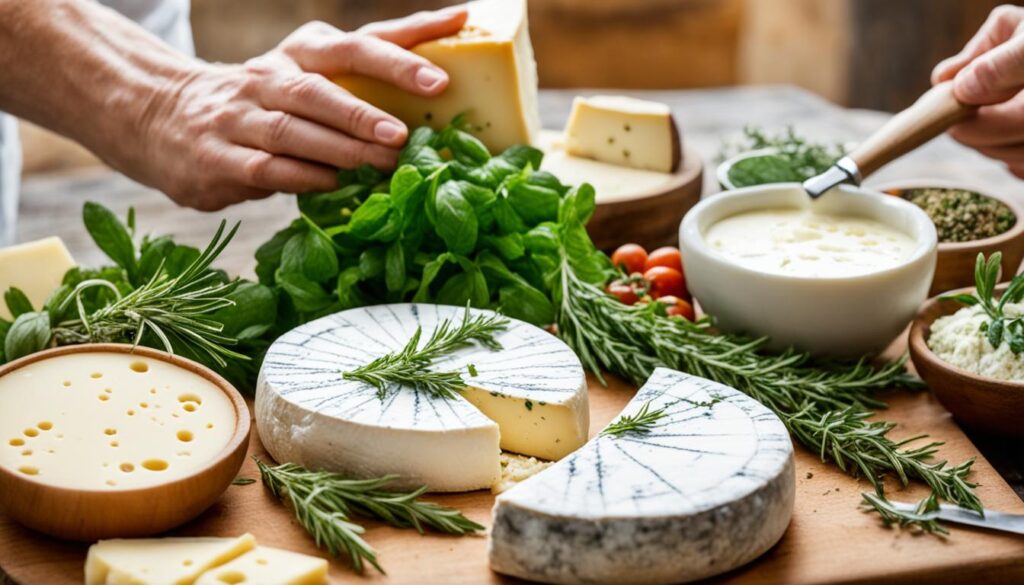
Mastering the Art of Artisan Cheese at Home
Cheese making is often seen as a craft reserved for professional artisans, but with guidance and attention to detail, it is increasingly accessible to home cooks. The process begins with selecting high-quality milk, preferably raw or pasteurized but unhomogenized, which preserves the natural proteins and enzymes crucial for cheese development. The milk is then gently heated, and starter cultures are introduced to encourage fermentation. Adding rennet at the correct temperature coagulates the milk, forming curds and whey. These curds are carefully cut, drained, and pressed according to the type of cheese being made, whether a soft cheese like Brie, a semi-hard like Gouda, or a firm cheese like Cheddar. Salting and aging are critical to flavor development, requiring careful monitoring of temperature and humidity. This guide also provides tips on creating flavored cheeses with herbs, spices, or infused oils, giving home cheese makers the chance to experiment creatively. The process emphasizes patience, as aging can range from a few days to several months, and each stage requires sensory awareness to ensure optimal taste and texture. By mastering these techniques, enthusiasts can produce artisan cheeses that rival commercial offerings, bringing a deeper appreciation of dairy science, craftsmanship, and the satisfaction of enjoying truly homemade cheese. The guide also includes advice on troubleshooting common issues like curd texture inconsistencies or mold development, ensuring that every batch is successful and delicious.