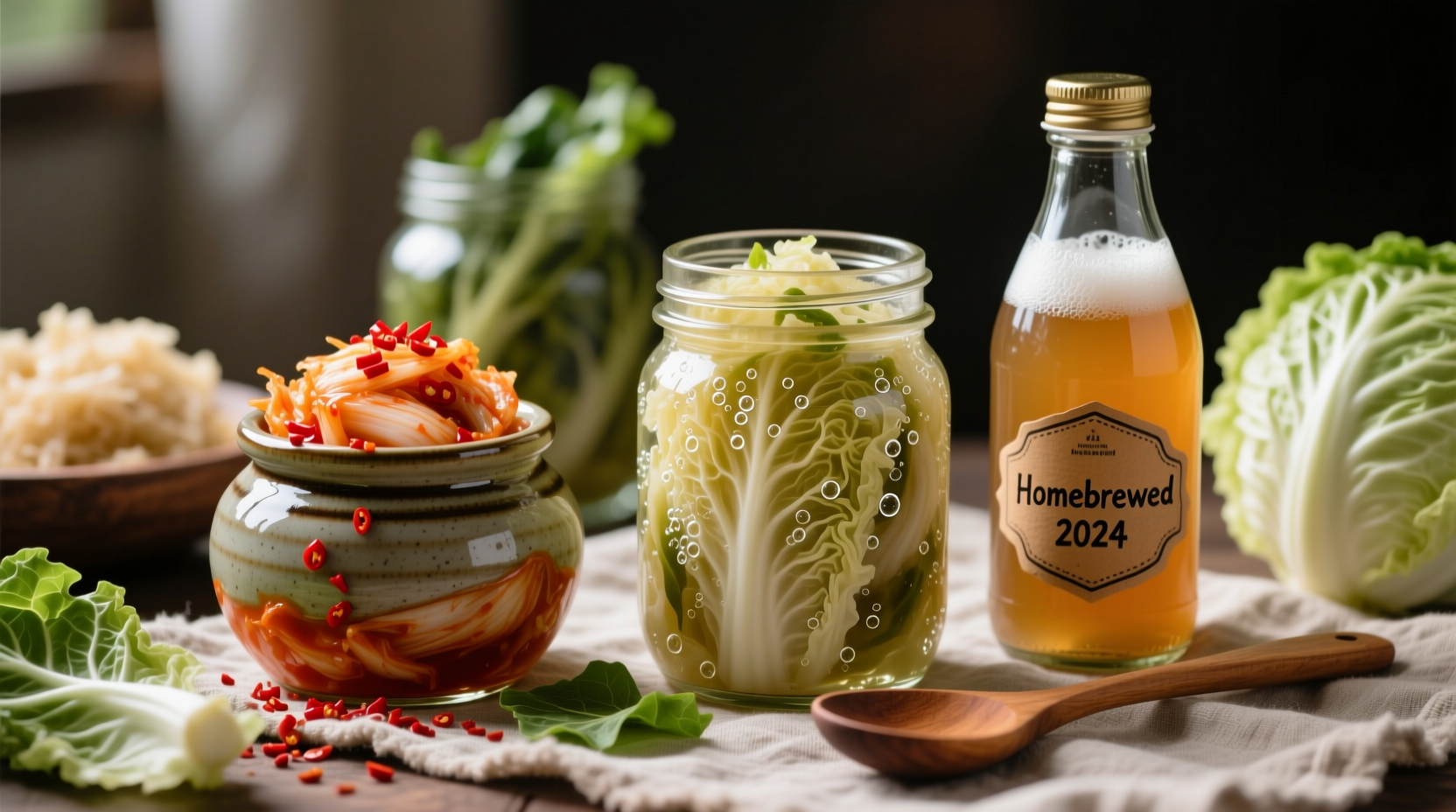
Reviving Traditional Fermented Beverages
Fermented beverages have played a significant role in culinary traditions worldwide, offering unique flavors, digestive benefits, and cultural significance. Drinks such as kombucha, kefir, kvass, and tepache utilize natural fermentation processes to develop complex taste profiles. At home, crafting these beverages requires understanding sugar content, temperature, fermentation duration, and microbial cultures. Each beverage has distinct characteristics — kombucha combines sweetened tea with a SCOBY to produce effervescent, tangy flavors, while kefir involves culturing milk with grains that create a creamy, slightly sour drink. Kvass, made from fermented bread, and tepache, a Mexican pineapple-based drink, showcase the diverse cultural approaches to fermentation. This guide provides detailed, step-by-step instructions for preparing a variety of fermented beverages at home, emphasizing hygiene, ingredient quality, and flavor customization. It also explains the science behind microbial activity, the role of pH, and how to control carbonation and acidity. By mastering fermented beverages, home cooks can enjoy refreshing, healthful drinks, explore global flavors, and participate in a tradition that has nourished societies for centuries.