Exploring Fermentation for Flavor Enhancement
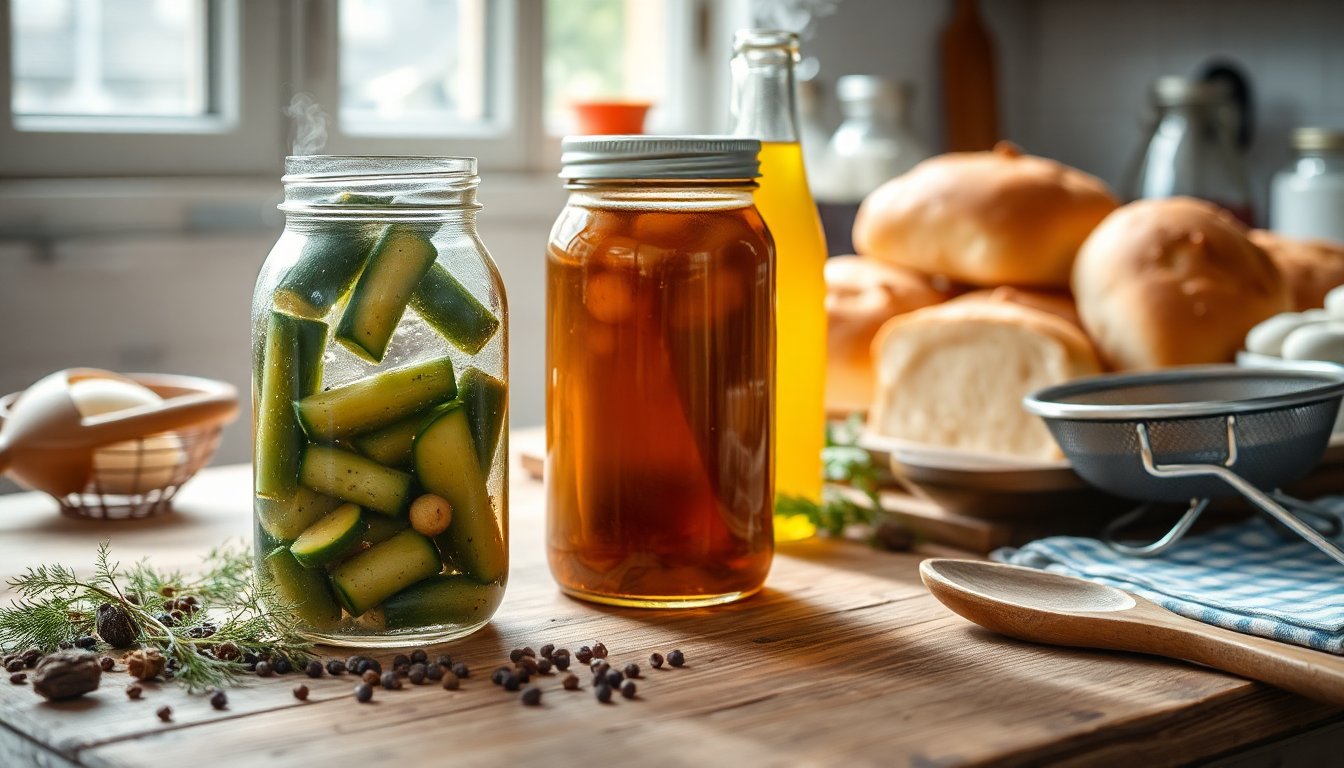
Fermentation is one of the oldest culinary techniques, used across cultures to preserve food, enhance flavors, and improve nutritional value. The process relies on microorganisms such as bacteria, yeast, and mold to transform raw ingredients into complex, tangy, and umami-rich dishes. Common examples include sauerkraut, kimchi, yogurt, sourdough, miso, and kombucha. Successful fermentation depends on controlling temperature, moisture, and the balance of ingredients to ensure desirable microbial activity while preventing spoilage. For example, fermenting vegetables requires careful salting and temperature management to promote lactic acid bacteria, resulting in crisp, flavorful products. Sourdough bread uses wild yeast and bacteria to create tangy, chewy loaves, while yogurt relies on specific cultures to produce creamy texture and balanced acidity. This guide provides detailed instructions for home fermentation projects, emphasizing safety, hygiene, and taste optimization. It explains the science behind microbial interactions, the role of pH, and how fermentation can unlock hidden flavors in ingredients. Additionally, it explores creative applications of fermented foods, including sauces, dips, dressings, and baked goods, demonstrating their versatility in modern cuisine. By incorporating fermentation into everyday cooking, home cooks can expand their flavor palette, develop a deeper connection with ingredients, and enjoy foods that are both healthful and delicious.